ENTREPRENEURIAL BLOG 3

A Renewed Sense of Hope and Inspiration

At the third week of the month November, our subject The Entrepreneurial Mind held its annual lecture series. The lecture series was a two day event held at the University Convention Center during Wednesday and Friday afternoons. The first day of the event, the two speakers shared their knowledge and experiences. The first topic that was talked about was about start ups. A startup ecosystem is made up of people, startups in various stages, and various types of organizations in a physical or virtual location interacting as a system to create and scale new startup companies. It was very interesting to learn how to begin a start up and what are the processes and things to do to cultivate it and improve. The lecture also taught us the importance of having a positive mentality while starting a business, because entrepreneurship is not simple. It takes many setbacks, failures, and experiences to reach your ultimate objective for your starting venture.
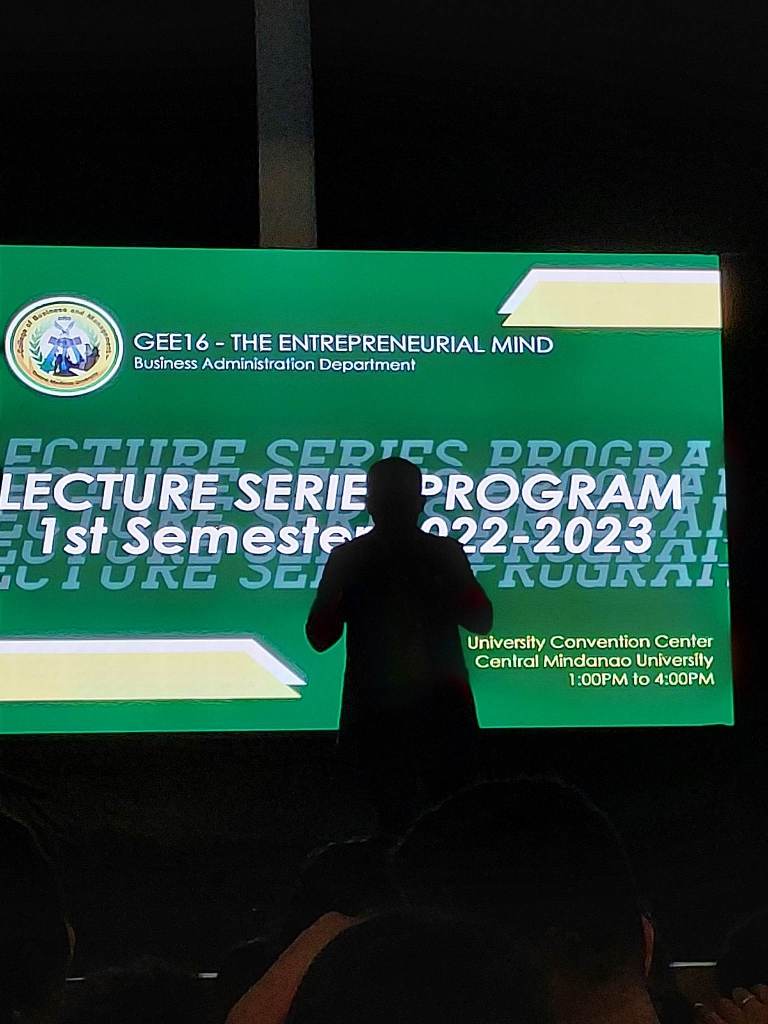
Entrepreneurship and innovation assist individuals in becoming self-sufficient and channeling their creativity into creating something unique in this competitive world. Learning about entrepreneurship and innovation improves one’s analytical and logical skills, allowing one to solve any problem. From what I learned from the presentation, we students were very lucky to have Entrepreneurial Mind as a subject to take. The topics that was shared with us by our resource speakers during our lecture series were very inspirational. They further explained why entrepreneurship is important to us students.
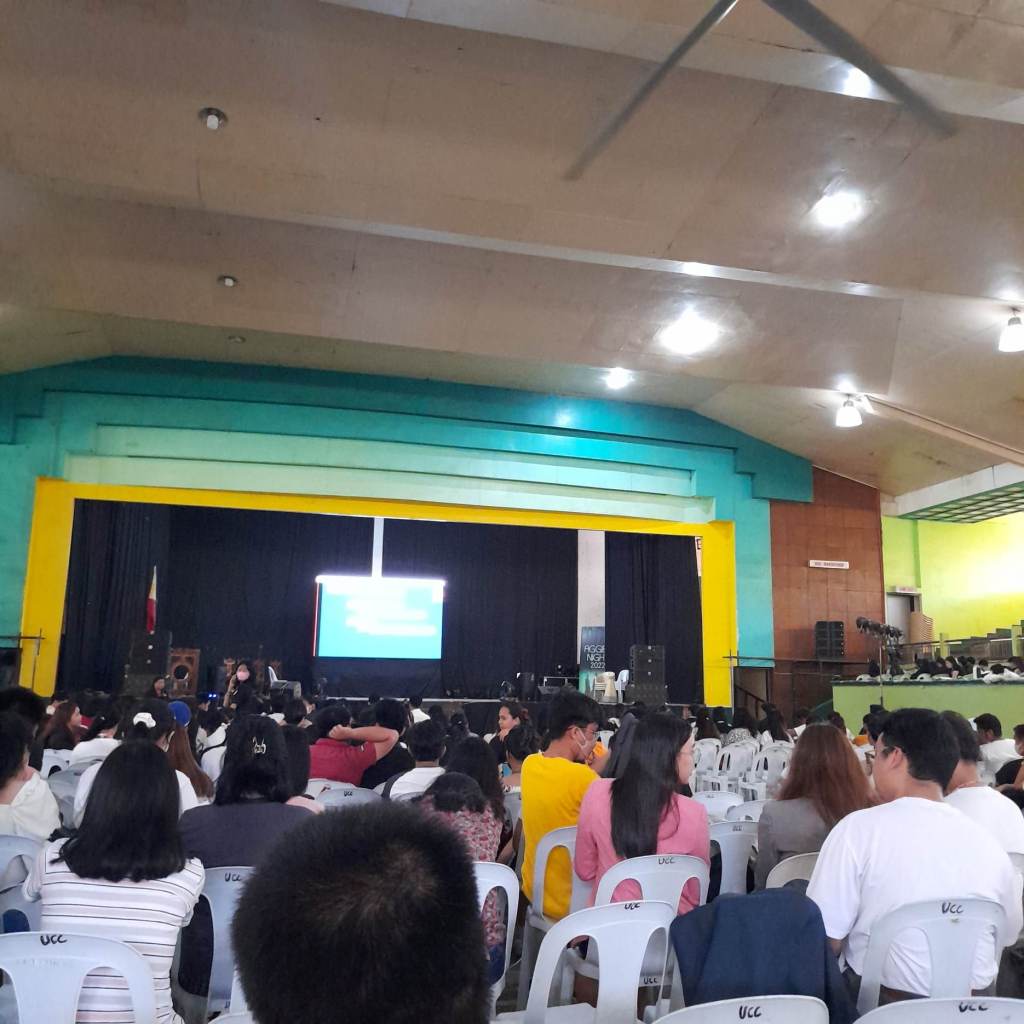
On the second part of the lecture series, the speaker delivered an inspiring message to prospective entrepreneurs. He imparted advice and personal experiences based on what he went through before achieving success in his firm. He stated there that it is preferable to create a business with individuals you already know. He also explained how teamwork is an important part of improving your start up. Following each session, students’ questions were entertained, and the presenters addressed them thoroughly, fulfilling the students’ thirst to learn more.
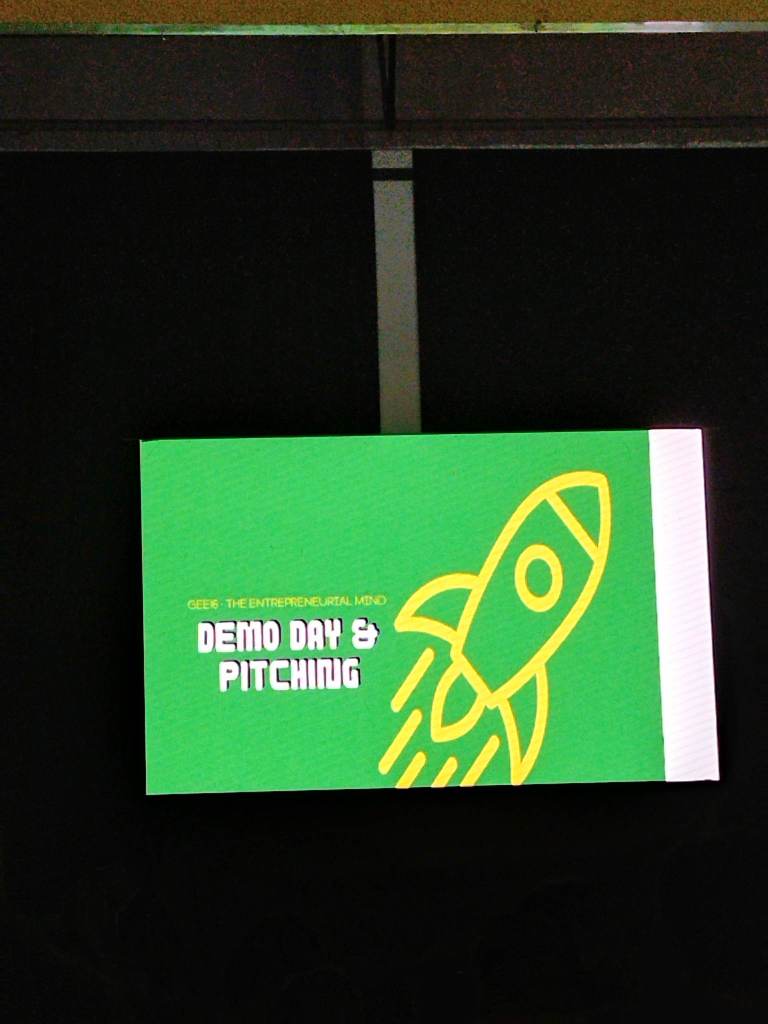
The last day of the lecture series was my favorite part. The first part, the speaker talked about copyrights and patents that were very important in a business. It was very insightful and we students learned valuable knowledge that can be used in the future. Following the one-hour presentation, over 20 participants from various institutions pitched their unique business ideas for three minutes in front of the panel, who promptly provided comments and assisted them in further improving their product/service. It was very entertaining to watch the students present their ideas. It was an amazing opportunity to be able to watch and learn from them. I have gained more knowledge about how creative and innovative anyone can be. The presentation of ideas coming from the speakers and presenters were all so inspirational. And, that concluded the two-day lecture series.

Finally, for our finals requirement, we haven’t finished preparing our final pre-recorded pitching for our by group product, but maybe it will turn out wonderful. We just finished the previous activity, which was a video showing how our product works. The final activity is still being worked on.

I learned that entrepreneurship education encourages students from all socioeconomic levels to think outside the box and develop interesting abilities and skills. It creates possibilities, ensures social justice, instills confidence, and boosts the economy. Looking at the whole picture, I have learned a lot of significant facts about Entrepreneurship and recommendations for creating a starting business in the future.
ENTREPRENEURIAL BLOG 2

Week Two is All about improvement

After the venture proposal presentation, the group received comments and suggestions on what to do and revise for the product. We are encouraged to select the “Forda Gas” choice because the other is not a good concept and is difficult to implement due to a variety of problems. The group also understood that earning money from the Red Flag concept is difficult, which is why Forda gas is a better option. The suggestions were kept in mind by the group and were included in the discussion for further improvements of the product. By using Forda Gas, we will be using biodegradable garbage, which is beneficial because you will not have to discard your dinner leftovers with your plastic trash, which is also beneficial to those who do not have pets to share their leftovers with. As a result, your carbon footprint will be reduced because you will not contribute to the generation of methane gas in the atmosphere as a result of your fruit peelings, rice, and other foods.
This week each member of the group, actually everyone in the class was asked to make a rejection therapy video. Rejection therapy is a self-help activity in which participants are subjected to a succession of rejections in order to reduce their anxiety. We made two questions that are answerable by No and asked other people with the questions we formulated. It was a fun activity and was helpful for us.

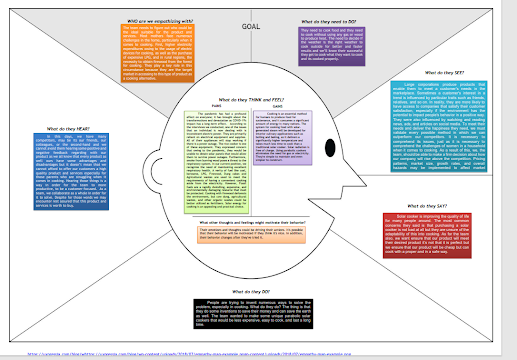
We also made an empathy map. An empathy map is a collaborative tool that allows teams to develop a better understanding of their customers. An empathy map, like a user persona, can represent a group of users, such as a consumer segment. The following questions were used in the making of an empathy map; 1. What are the user’s thoughts and/or feelings? What are some of their concerns and goals?
2. What are their friends, coworkers, and employer likely to say about our product while the user is using it? In these conditions, what would the user hear?
3. What would the consumer observe in their environment if they used our product?
4. What could the consumer say or do while utilizing our product? What would happen in a public or private setting?
5. What are some of the users’ concerns or pain areas when utilizing our product?
6. What benefits might the user obtain from adopting our product?

Each team member were allowed to discuss. In order to elaborate for the rest of the team, questions were asked to gain deeper insights. The empathy map was very helpful for everyone as aid in understanding and defining the underlying demands of the customer. Through the aforementioned activity, we are able to put ourselves in the shoes of boarding students who are having financial difficulties and would like to alleviate them in some way.

Finally, we are assigned with meeting with our groupmates to finalize the things that need to be done. We discussed the modifications that need to be made and how we can improve the product even further. We discussed how we plan to do our BMC and began organizing for our forthcoming business pitching and who would present our team to the panelists.

Lessons learned:

  1. Converse, or listen and consider possibilities
  2. We understand our customers better when we exhibit empathy for them, and as entrepreneurs, we produce better services and goods for them.
  3. Any life experience can help with knowledge acquisition. So, treat rejection as a learning opportunity.

ENTREPRENEURIAL BLOG

“Forda Gas” and “Red Flag” Two helpful device for every CMU students

Schools are now holding face-to-face classes. And with that comes joy, excitement, and troubles. With this new beginning for students come new challenges. During the last week of August, we asked our peers about the problems or difficulties they have faced thus far in face-to-face classes. The following are the problems we’ve gathered from the students:
*Transportation problems with rela’s causing students to be late.
*Slow internet connection inside the campus and wifi’s encrypted with a password.
*Far away building and market/eating places.
*Lack of boarding houses and dormitories.
*Toilet and comfort rooms without privacy
*No signal inside the campus.
*Hybrid learning setup.
*Lack of sheds/ study places where internet connection is stable.
*Costly expenses especially for those residing in boarding houses.

With all of the difficulties we heard, the majority of the students we interviewed mentioned a lack of internet access on campus or a poor connection in various areas. We came up with the idea of building a website that students could access. It’s known as the Red Flag. The website will include a virtual map of the campus, with red flags indicating areas with internet access or Wi-Fi access. This will assist students in locating spots where they can have a solid internet connection without having to go around campus looking for a signal. When you click the red flags, information about networks with connections in the vicinity will be presented. The group will deliberate on further enhancements.

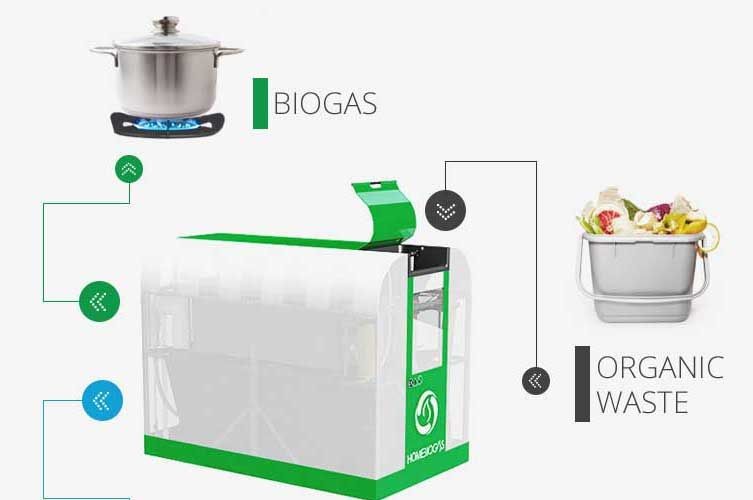
Another issue that students face is the high cost of living, especially for those who live in boarding homes. Food bills are a significant component. Cooking food is less expensive than purchasing a meal from an eatery. However, it is still somewhat expensive. LPG prices had always been pricey, and our group intended to find a solution. We came up with Forda gas. It is an advancement of the concept of a biogas digester used in cooking as an alternative to a gas burner, which many students use for cooking. It would help students save money and reduce pollution because these devices utilize methane gas released by food waste and other biodegradable items.

These hypotheses were developed by the group:
Students will have a less expensive cooking appliance with Forda Gas. Forda gas will be an environmentally friendly alternative cooking technology.
Students will have a handy tool in their everyday life on campus thanks to the Red flag. Red flag will give a user-friendly service capable of alleviating students’ internet connection difficulties.

Our hypothesis was founded on
1. Interviews and Data Collection: Interviews were done to determine the source of students’ difficulties. The group gathered information to be analyzed. Additional information was gathered through research.
2. Group discussion: The team members analyzed the data gathered and devised a solution to the problems. Goals and objectives were established. The group worked on planning and brainstorming.

The team is still unsure which of the two planned ideas to pursue. However, both programs were presented to alleviate the students’ difficulties. The team chose these two solutions since expenditures and internet connectivity were the most common issues raised by the students they were able to interview. The team kept in mind how they would be able to complete the project and how it would benefit students. The team is still working on ways to improve an effective and efficient product/service. The team is still analyzing the advantages and disadvantages of the two projects, taking into account the expenses, equipment, tools, and processes involved. The team intends to create a prototype to test the project. The team also spent time analyzing how it will be marketed and introduced to customers. The team is still in its early stages, and many errors and mistakes will undoubtedly be made, but this is merely a stepping stone to grow and test out new ideas.

Lessons learned:
Planning is critical for getting things done. Planning is incredibly crucial in helping you keep track of things and reach your goals.
• Time should always be considered. Time management is essential. We quickly realized that in order to do things, we needed to manage our time wisely.
• Working in a group makes things easier. More brains are preferable to one. Collaboration within a group solves problems more quickly and efficiently.
• Profit is not as important as the usefulness/helpfulness of a product or service.
• Never, ever give up!

Design a site like this with WordPress.com
Get started