“Forda Gas” and “Red Flag” Two helpful device for every CMU students
Schools are now holding face-to-face classes. And with that comes joy, excitement, and troubles. With this new beginning for students come new challenges. During the last week of August, we asked our peers about the problems or difficulties they have faced thus far in face-to-face classes. The following are the problems we’ve gathered from the students:
*Transportation problems with rela’s causing students to be late.
*Slow internet connection inside the campus and wifi’s encrypted with a password.
*Far away building and market/eating places.
*Lack of boarding houses and dormitories.
*Toilet and comfort rooms without privacy
*No signal inside the campus.
*Hybrid learning setup.
*Lack of sheds/ study places where internet connection is stable.
*Costly expenses especially for those residing in boarding houses.
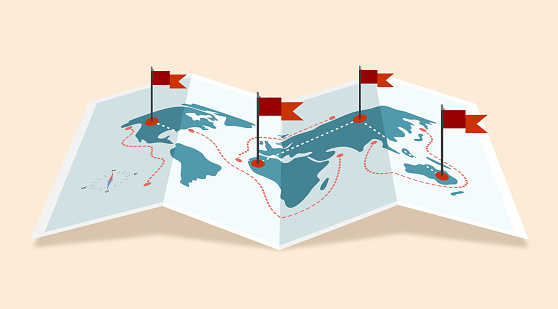
With all of the difficulties we heard, the majority of the students we interviewed mentioned a lack of internet access on campus or a poor connection in various areas. We came up with the idea of building a website that students could access. It’s known as the Red Flag. The website will include a virtual map of the campus, with red flags indicating areas with internet access or Wi-Fi access. This will assist students in locating spots where they can have a solid internet connection without having to go around campus looking for a signal. When you click the red flags, information about networks with connections in the vicinity will be presented. The group will deliberate on further enhancements.
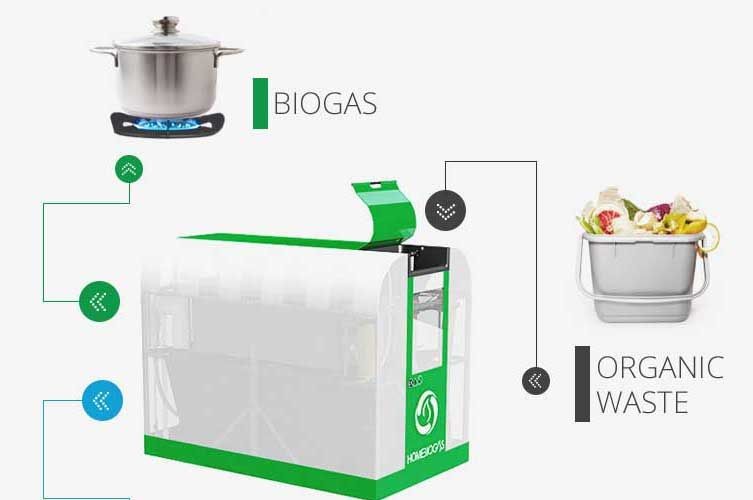
Another issue that students face is the high cost of living, especially for those who live in boarding homes. Food bills are a significant component. Cooking food is less expensive than purchasing a meal from an eatery. However, it is still somewhat expensive. LPG prices had always been pricey, and our group intended to find a solution. We came up with Forda gas. It is an advancement of the concept of a biogas digester used in cooking as an alternative to a gas burner, which many students use for cooking. It would help students save money and reduce pollution because these devices utilize methane gas released by food waste and other biodegradable items.
These hypotheses were developed by the group:
Students will have a less expensive cooking appliance with Forda Gas. Forda gas will be an environmentally friendly alternative cooking technology.
Students will have a handy tool in their everyday life on campus thanks to the Red flag. Red flag will give a user-friendly service capable of alleviating students’ internet connection difficulties.
Our hypothesis was founded on
1. Interviews and Data Collection: Interviews were done to determine the source of students’ difficulties. The group gathered information to be analyzed. Additional information was gathered through research.
2. Group discussion: The team members analyzed the data gathered and devised a solution to the problems. Goals and objectives were established. The group worked on planning and brainstorming.
The team is still unsure which of the two planned ideas to pursue. However, both programs were presented to alleviate the students’ difficulties. The team chose these two solutions since expenditures and internet connectivity were the most common issues raised by the students they were able to interview. The team kept in mind how they would be able to complete the project and how it would benefit students. The team is still working on ways to improve an effective and efficient product/service. The team is still analyzing the advantages and disadvantages of the two projects, taking into account the expenses, equipment, tools, and processes involved. The team intends to create a prototype to test the project. The team also spent time analyzing how it will be marketed and introduced to customers. The team is still in its early stages, and many errors and mistakes will undoubtedly be made, but this is merely a stepping stone to grow and test out new ideas.
Lessons learned:
• Planning is critical for getting things done. Planning is incredibly crucial in helping you keep track of things and reach your goals.
• Time should always be considered. Time management is essential. We quickly realized that in order to do things, we needed to manage our time wisely.
• Working in a group makes things easier. More brains are preferable to one. Collaboration within a group solves problems more quickly and efficiently.
• Profit is not as important as the usefulness/helpfulness of a product or service.
• Never, ever give up!
 All about self improvement