Week Two is All about improvement
After the venture proposal presentation, the group received comments and suggestions on what to do and revise for the product. We are encouraged to select the “Forda Gas” choice because the other is not a good concept and is difficult to implement due to a variety of problems. The group also understood that earning money from the Red Flag concept is difficult, which is why Forda gas is a better option. The suggestions were kept in mind by the group and were included in the discussion for further improvements of the product. By using Forda Gas, we will be using biodegradable garbage, which is beneficial because you will not have to discard your dinner leftovers with your plastic trash, which is also beneficial to those who do not have pets to share their leftovers with. As a result, your carbon footprint will be reduced because you will not contribute to the generation of methane gas in the atmosphere as a result of your fruit peelings, rice, and other foods.
This week each member of the group, actually everyone in the class was asked to make a rejection therapy video. Rejection therapy is a self-help activity in which participants are subjected to a succession of rejections in order to reduce their anxiety. We made two questions that are answerable by No and asked other people with the questions we formulated. It was a fun activity and was helpful for us.
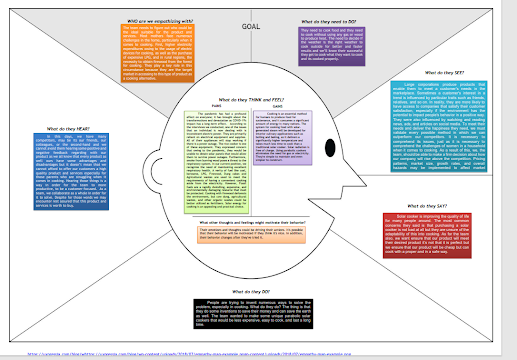
We also made an empathy map. An empathy map is a collaborative tool that allows teams to develop a better understanding of their customers. An empathy map, like a user persona, can represent a group of users, such as a consumer segment. The following questions were used in the making of an empathy map; 1. What are the user’s thoughts and/or feelings? What are some of their concerns and goals?
2. What are their friends, coworkers, and employer likely to say about our product while the user is using it? In these conditions, what would the user hear?
3. What would the consumer observe in their environment if they used our product?
4. What could the consumer say or do while utilizing our product? What would happen in a public or private setting?
5. What are some of the users’ concerns or pain areas when utilizing our product?
6. What benefits might the user obtain from adopting our product?
Each team member were allowed to discuss. In order to elaborate for the rest of the team, questions were asked to gain deeper insights. The empathy map was very helpful for everyone as aid in understanding and defining the underlying demands of the customer. Through the aforementioned activity, we are able to put ourselves in the shoes of boarding students who are having financial difficulties and would like to alleviate them in some way.
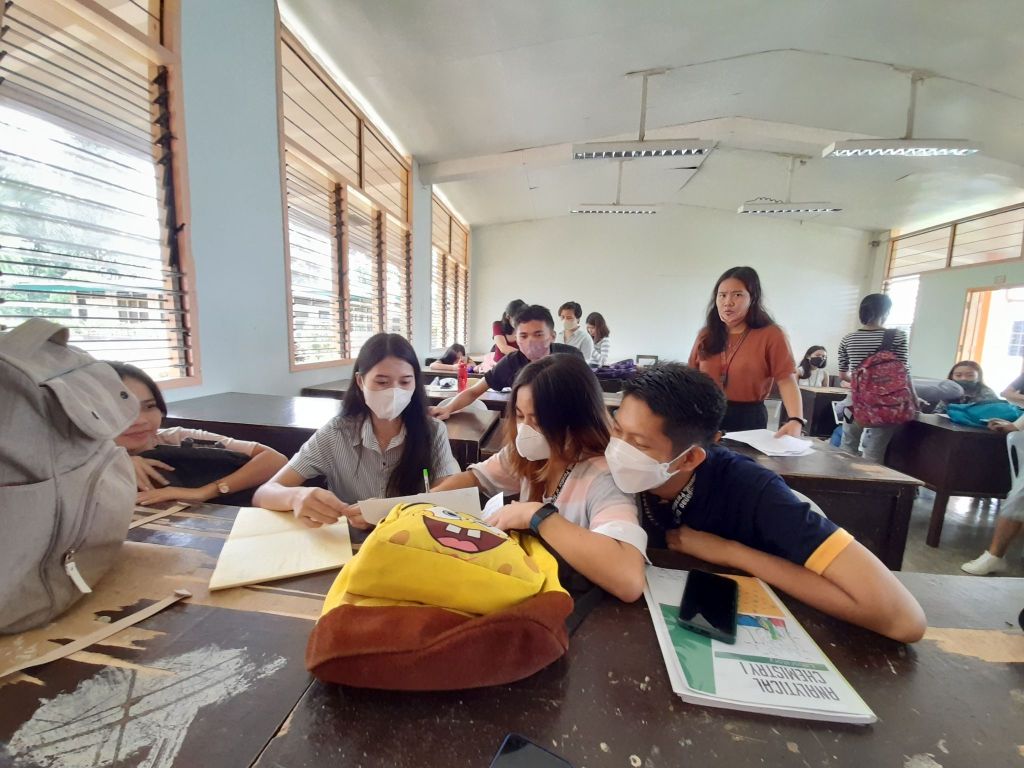
Finally, we are assigned with meeting with our groupmates to finalize the things that need to be done. We discussed the modifications that need to be made and how we can improve the product even further. We discussed how we plan to do our BMC and began organizing for our forthcoming business pitching and who would present our team to the panelists.
Lessons learned:
- Converse, or listen and consider possibilities
- We understand our customers better when we exhibit empathy for them, and as entrepreneurs, we produce better services and goods for them.
- Any life experience can help with knowledge acquisition. So, treat rejection as a learning opportunity.
 All about self improvement